
LOCAL ODOR REMOVAL EXPERTS
Rodent Odor Removal Los Angeles
Get rid of rat and mouse smells in your car, home, or property. We remove odor at the source, not just mask it.
✅ Safe for Families & Pets ✅ Fast Response ✅ Long Lasting Results
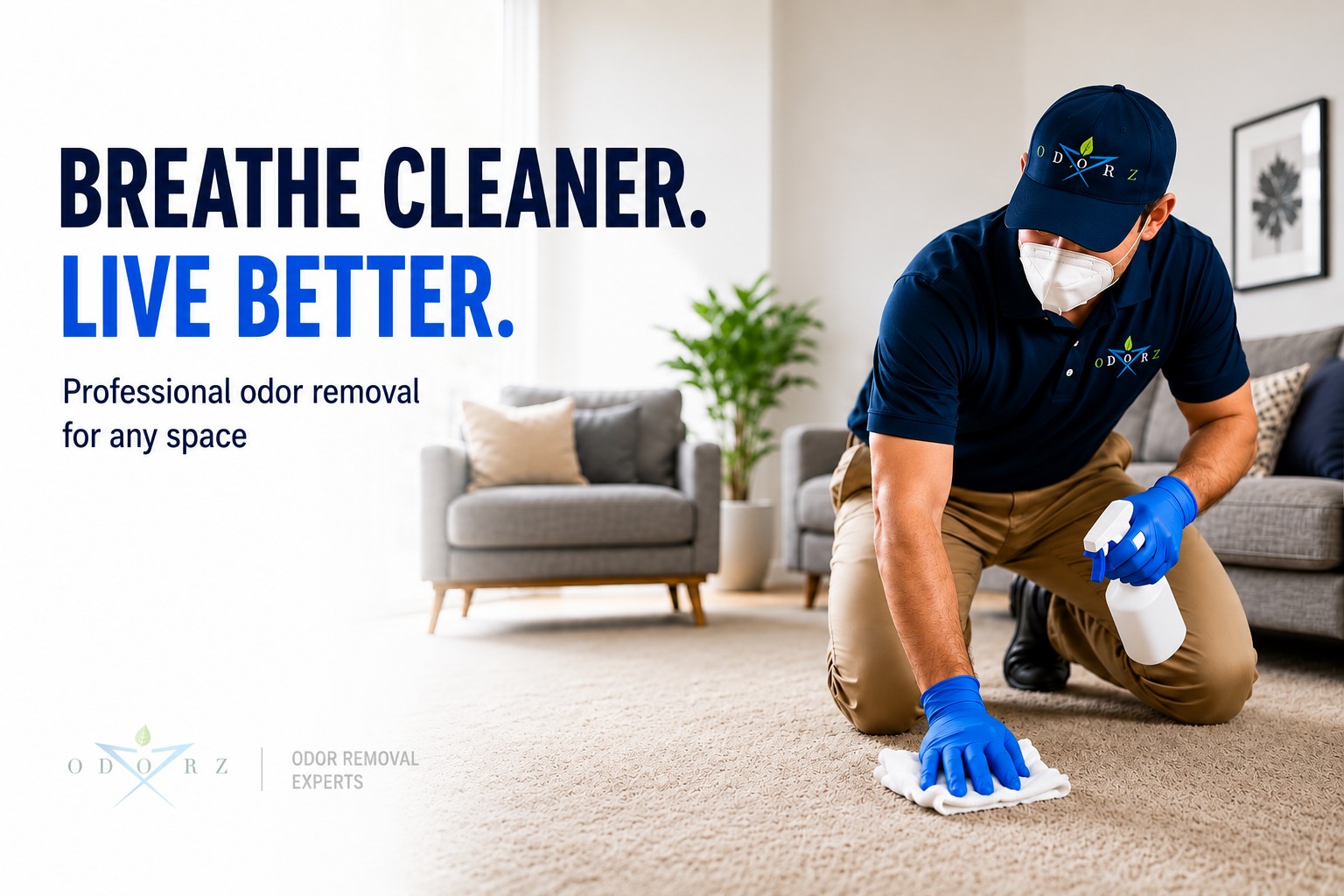

Rat and mouse odors can linger long after the rodents are gone. Urine, droppings, nesting materials, and decomposing rodents can contaminate insulation, wall cavities, HVAC systems, crawl spaces, and vehicles. Simply trapping or removing the rodents rarely eliminates the odor.
ODORZX provides professional rodent odor removal in Los Angeles, CA, using inspection, contamination cleanup, professional deodorization, and odor-neutralizing treatments designed for the source of the problem. We serve homeowners, businesses, property managers, dealerships, apartment communities, and commercial facilities throughout Los Angeles and surrounding communities.
If you're dealing with a persistent rat urine smell, a dead mouse odor inside a wall, or rodent contamination in an attic or crawl space, we can inspect the affected area, identify the odor source, and recommend the right treatment.
Professional Rodent Odor Removal in Los Angeles
Removing rodents is only the first step. Once an infestation has been eliminated, odors often remain because urine, droppings, and nesting materials continue to release odor-causing compounds.
We regularly inspect and treat rodent odor problems in:
- Homes
- Apartments
- Condominiums
- Restaurants
- Hotels
- Medical offices
- Schools
- Warehouses
- Office buildings
- Fleet vehicles
- Dealerships
- Rental properties
Southern California's mild climate allows rodents to stay active year-round. Roof rats are especially common throughout Los Angeles and often enter attics through roof vents, utility penetrations, damaged soffits, or overhanging tree branches. Once inside, they contaminate insulation, wood framing, ductwork, and stored belongings.
Many customers contact us after a pest control company has removed the rodents but the smell remains. This is common because pest control companies focus on eliminating the infestation, while odor removal requires locating and treating the contamination left behind.
Our approach starts with an inspection. We identify where the odor originates, evaluate how far it has spread, and determine if professional deodorization alone will solve the problem or if contaminated materials should be removed.
We believe in giving honest recommendations. If cleaning will resolve the odor, we'll tell you. If saturated insulation, damaged drywall, or heavy nesting debris must be removed, we'll explain why before any work begins.
Common Rodent Odor Problems We Solve
Every rodent odor problem is different. Some are caused by a single dead mouse hidden inside a wall. Others result from years of rodent activity in an attic or crawl space.
Our technicians regularly remove odors caused by:
Dead Rat and Mouse Odors
A decomposing rodent produces a strong odor that can spread through wall cavities, ceilings, attics, and ventilation systems.
The smell often becomes stronger during warm afternoons as temperatures rise inside the structure. Whenever possible, we locate and remove the carcass before treating the surrounding area.
If access requires opening drywall or another building material, we'll discuss your options before work begins.
Rat Urine Odor
Rat urine contains proteins and ammonia compounds that soak into porous materials.
Over time, these contaminants can penetrate:
- Fiberglass insulation
- Drywall
- Concrete
- Wood framing
- Carpeting
- Storage boxes
- Furniture
Simply masking the smell rarely works because the contamination remains inside the material.
Depending on the severity, we may recommend professional cleaning, odor neutralization, or removal of heavily contaminated materials.
Mouse Urine in Attics
Attics are one of the most common nesting areas for rodents throughout Los Angeles.
During inspections, we often find:
- Urine-soaked insulation
- Droppings
- Nesting material
- Damaged duct insulation
- Contaminated framing
If insulation has absorbed years of contamination, replacing the affected areas often provides the best long-term results.
Rodent Odors in Crawl Spaces
Raised foundation homes frequently develop rodent odor problems beneath the structure.
Crawl spaces trap moisture and limit airflow, allowing odors to linger.
We inspect crawl spaces for:
- Rodent nests
- Dead rodents
- Contaminated insulation
- Vapor barrier damage
- Urine staining
- Droppings
After identifying the source, we recommend the most effective treatment based on the level of contamination.
Rodent Odors Inside Walls
A dead rodent inside a wall cavity can produce an intense odor that seems impossible to locate.
Many homeowners first notice the smell near:
- Electrical outlets
- Baseboards
- Cabinets
- Air vents
- Closets
We use inspection techniques to narrow down the location before recommending any invasive work. When access is necessary, we remove the source, clean the surrounding area, and apply professional odor treatments designed to reduce any remaining odor.
Rodent Odors in HVAC Systems
Rodents sometimes enter heating and cooling systems, leaving urine, nesting materials, and droppings near ductwork or air handlers.
When this happens, odors can circulate throughout the building every time the HVAC system runs.
We inspect accessible HVAC components and recommend cleaning or repairs when contamination is found.
Rodent Odors in Vehicles
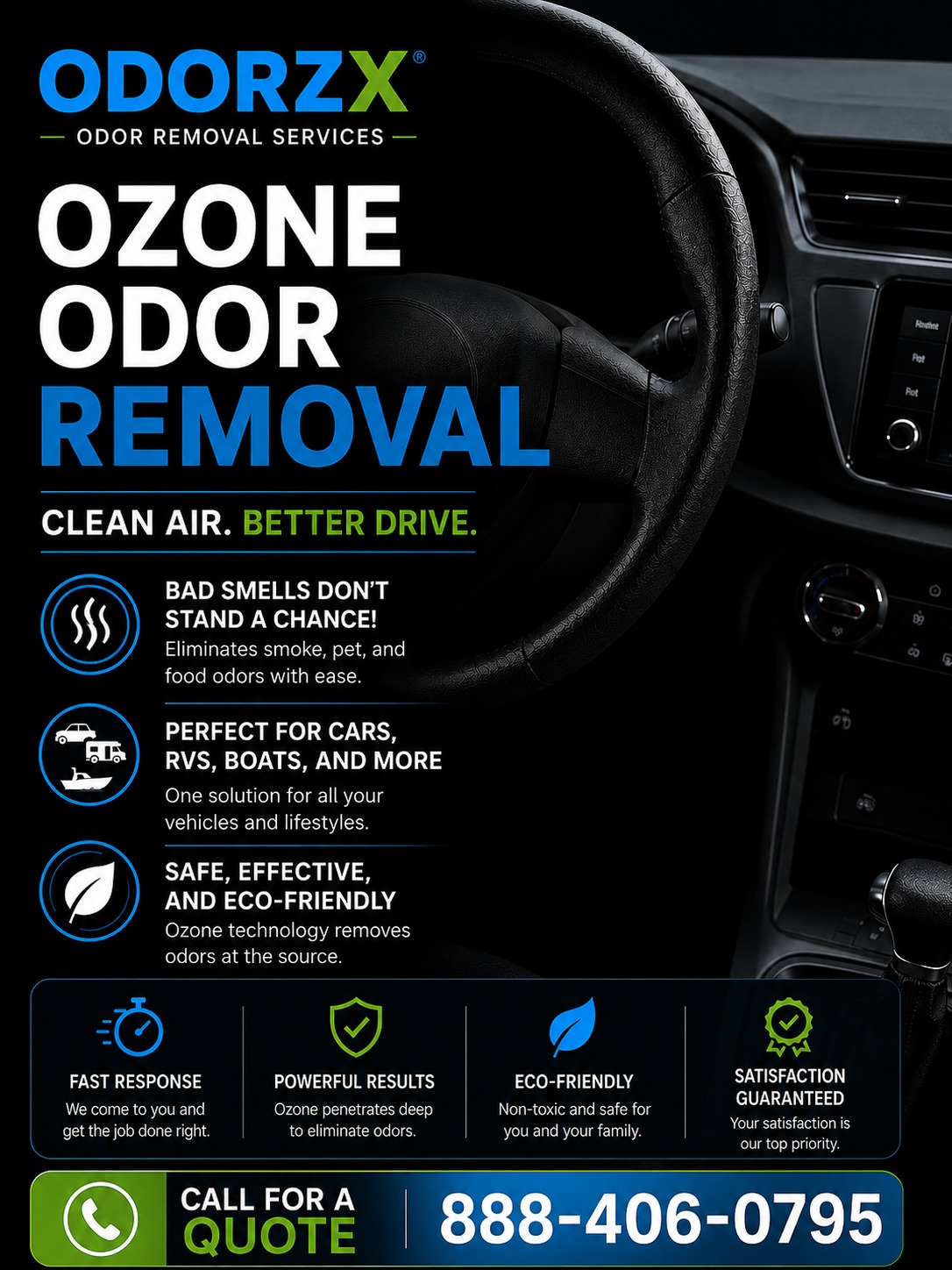
Cars, trucks, SUVs, RVs, and commercial fleet vehicles are common nesting locations for rodents.
We frequently remove rodent odors from:
- Engine compartments
- Cabin air filters
- Dashboard areas
- Seat foam
- Carpeting
- Trunk compartments
If rodent activity has damaged wiring or HVAC components, those repairs should be completed before final odor treatment.
Our goal is to eliminate the odor source, not simply cover it up.
Our Rodent Odor Removal Process
Every successful odor removal project starts with identifying the source. Treating the air without addressing the contamination usually provides only temporary relief.
At ODORZX, we follow a step-by-step process designed to eliminate the odor at its source whenever possible.
Step 1: Property Inspection
We begin by discussing when the odor started, where it is strongest, and if any pest control work has already been completed.
Next, we inspect the areas most likely to contain contamination, including:
- Attics
- Crawl spaces
- Garages
- Utility rooms
- Wall cavities
- HVAC systems
- Vehicle interiors
- Engine compartments
Our goal is to determine what is causing the odor before recommending any treatment.
Step 2: Locate the Source
Not every rodent odor comes from a dead animal.
During our inspection we may find:
- Rat or mouse urine
- Droppings
- Nesting material
- Food caches
- Decomposing rodents
- Contaminated insulation
- Damaged ductwork
- Moisture that has intensified existing odors
Finding the source allows us to recommend the right solution instead of treating areas that are not contributing to the odor.
Step 3: Remove Accessible Contamination
Whenever practical, we remove the material causing the odor.
Depending on the project, this may include:
- Rodent carcasses
- Nesting material
- Contaminated debris
- Heavily soiled insulation
- Damaged vapor barriers
- Contaminated storage materials
Removing the source is often the most effective step in the entire process.
Step 4: Clean and Neutralize
After the source has been removed, we clean affected surfaces and apply professional odor-neutralizing products.
Depending on the project, treatment may include:
- HEPA vacuuming
- Professional cleaning solutions
- Enzyme treatments
- Odor counteractants
- Hydroxyl technology
- Ozone treatment for unoccupied areas when appropriate
The treatment method depends on the type of contamination, the materials involved, and whether the property is occupied during the work.
When Cleaning Isn't Enough
One of the most common questions we hear is:
"Can you remove the smell without removing anything?"
Sometimes the answer is yes.
If contamination is limited to hard surfaces or accessible areas, professional cleaning and deodorization may solve the problem.
However, if urine has soaked deep into insulation, drywall, wood framing, or other porous materials, those materials may continue producing odor even after treatment.
In these situations, we may recommend removing and replacing:
- Fiberglass insulation
- Cellulose insulation
- Damaged drywall
- Vapor barriers
- Severely contaminated storage materials
We only recommend material removal when it is likely to improve the final result. Our goal is to provide an effective solution without suggesting unnecessary work.
Residential Rodent Odor Removal
Rodent odors affect every type of home.
We regularly help homeowners with odor problems in:
- Single-family homes
- Condominiums
- Apartments
- Duplexes
- Townhomes
- Rental properties
Some of the most common treatment areas include:
- Attics
- Kitchens
- Garages
- Laundry rooms
- Crawl spaces
- Utility closets
- Wall cavities
- HVAC systems
Older homes throughout Los Angeles often contain multiple concealed spaces where rodents can travel unnoticed for years. By the time an odor becomes obvious, contamination has often spread beyond the original nesting area.
A thorough inspection helps identify the full extent of the problem before treatment begins.
Commercial Rodent Odor Removal
Persistent rodent odors can affect employees, tenants, customers, and inspections.
ODORZX provides odor removal services for a wide range of commercial properties, including:
- Restaurants
- Hotels
- Apartment communities
- Medical offices
- Dental practices
- Retail stores
- Office buildings
- Warehouses
- Distribution centers
- Manufacturing facilities
- Schools
- Fleet maintenance facilities
We understand that commercial projects often need to be completed with minimal disruption. Whenever possible, we schedule work around your operating hours.
Why Choose ODORZX?
Odor removal is our specialty.
Rather than masking unpleasant smells, we focus on identifying the source and recommending the most effective treatment based on the condition of the property.
When you choose ODORZX, you receive:
- Professional odor inspections
- Honest recommendations
- Experienced technicians
- Residential, commercial, and vehicle odor removal
- Advanced odor removal equipment
- Customized treatment plans
- Same-day appointments when available
- Emergency response for urgent odor problems
We also understand that every project has limits.
If structural repairs or insulation replacement are needed before odor removal can be completed, we'll explain those findings clearly so you know what to expect.
Our goal is simple: help you eliminate persistent rodent odors with practical, professional solutions based on the actual source of the problem.
Service Coverage in Los Angeles
We provide rodent odor removal across Los Angeles, including:
Frequently Asked Questions
How much does rodent odor removal cost?
The cost depends on the size of the affected area, how long the infestation has been present, and the level of contamination. After inspecting the property, we'll explain the recommended treatment and provide an estimate.
Can you remove a dead rat smell from inside a wall?
Yes. If we can safely access the area, we'll remove the carcass, clean the surrounding surfaces, and apply professional odor treatments. If opening drywall is required, we'll discuss your options before any work begins.
Will the odor go away on its own?
A dead rodent odor may fade over time, but urine, droppings, and nesting materials can continue producing unpleasant smells for months or even years. Removing the source usually provides the best long-term results.
Does homeowners insurance cover rodent odor removal?
Coverage varies by insurance carrier and policy. If the odor is related to covered property damage, your insurance company may request documentation before approving a claim.
Is rodent urine dangerous?
Rodent urine and droppings may contain bacteria and other contaminants. Avoid sweeping or vacuuming contaminated areas with a household vacuum, as this can spread particles into the air. We use cleaning methods designed for this type of contamination.
Can rodent odors spread through the HVAC system?
Yes. If rodents enter ductwork or HVAC equipment, odors can circulate throughout the property each time the heating or air conditioning system runs.
Can you remove rodent odors from cars or RVs?
Yes. We treat rodent contamination in passenger vehicles, trucks, SUVs, RVs, commercial fleets, and specialty vehicles. Common problem areas include engine compartments, cabin air filters, dashboards, carpeting, and trunk areas.
Do you use ozone to remove rodent odors?
In some situations. Ozone can help reduce certain odors in unoccupied spaces, but it is not a substitute for removing contaminated materials. We determine the most appropriate treatment after inspecting the property.
How long does the process take?
Many projects can be completed in a single visit. Larger jobs involving attics, crawl spaces, or insulation removal may require additional time depending on the extent of the contamination.
Do you offer same-day service?
Yes. Same-day appointments are available throughout much of Los Angeles based on technician availability. Contact us as early as possible if you have an urgent odor problem.
- The Science Behind Odor Removal: How It Works and Why It’s Effective
- 10 Signs You Need a Professional Odor Removal Service
- Rodent Odor Control in Southern California
- Top 10 Most Common Causes of Bad Odors in Homes and How to Prevent Them
- The Science Behind Odor Removal: How It Works and Why It’s Effective
- DIY vs. Professional Odor Removal: When to Call the Experts


Schedule Rodent Odor Removal in Los Angeles
Persistent rodent odors rarely improve without addressing the source. The sooner contaminated materials are identified and treated, the easier it is to prevent odors from spreading into other areas of the property.
Whether you're dealing with a dead rat in a wall, mouse urine in an attic, rodent odors in your HVAC system, or contamination inside a vehicle, ODORZX can help.
Every service begins with a careful inspection so we can identify the source of the odor and recommend the most effective solution.
Related Services: Musty Odor | Skunk Odor Removal | Cigarette Smoke Odor | Ozone Odor Removal | Medical Marijuana Odor Removal | Rental Fleet Odor Removal | Odor Removal Specialists | Bio-Sanitizing Solutions | Ride Share Odor Removal | Odor Elimination | Smell Removal | Odor Control | Car Odor Removal | Pet Odor Removal | Body Odor Removal | Biohazard, Trauma & Odor Removal | Odor Cleaning | Cat Urine Odor Removal | Fire Smoke Odor Removal | Eco Friendly Odor Removal Service | Odor Neutralization | Odor Remediation Services | Odor Removal Experts | Odor Removal After Hoarding Cleanup
Don't let unpleasant odors disrupt your peace of mind. If you're in need of odor removal services in Los Angeles, California, contact us today at 888-406-0795 to schedule a consultation. Our friendly and knowledgeable team is here to help you breathe easy again! Experience the difference with your local odor removal experts, serving residential, commercial, and automotive clients!
ODORZX ODOR REMOVAL SOLUTIONS | LOS ANGELES , CA
Tel : 888-406-0795 Email info@odorzx.com
Business Hours:
Monday–Friday: 8:00 AM – 6:00 PM
Saturday: 9:00 AM – 4:00 PM
Sunday: Closed